





“10 Surprising US Destinations Every Traveler Will Search in 2026”:- Travel enthusiasts and adventure seekers searching for fresh experiences beyond crowded tourist traps will discover America’s best-kept secrets in this comprehensive guide. While everyone flocks to the same popular destinations, smart travelers are already hunting for the surprising US destinations that will dominate search trends in 2026.
This guide is perfect for curious explorers, weekend warriors, and anyone ready to skip the selfie-stick crowds for authentic American adventures. You’ll uncover hidden coastal gems that rival the Hamptons without the price tag, plus off
Table of Contents
10 Surprising US Destinations
Hidden Coastal Gems Beyond Popular Beach Towns
Secret Beach Coves with Pristine Waters and Zero Crowds
Tucked away along America’s vast coastline are pristine beaches that feel like your own private paradise. Bowling Ball Beach in California’s Mendocino County showcases thousands of perfectly round sandstone formations scattered across the shore during low tide, creating an otherworldly landscape that photographers dream about. The two-mile hike keeps casual visitors away, leaving you with crashing waves and dramatic rock formations all to yourself.
Maine’s Sand Beach at Acadia might sound familiar, but venture to nearby Little Hunters Beach instead – a hidden cobblestone cove where smooth stones create a unique shoreline symphony with each wave. The short but steep trail deters most tourists, rewarding adventurous travelers with incredible sunrise views over Frenchman Bay.
Down south, Caladesi Island State Park near Clearwater, Florida, remains accessible only by ferry or private boat. This barrier island offers three miles of undeveloped white sand beaches with crystal-clear waters perfect for swimming and shelling. The mangrove trails provide a peaceful escape when you need a break from the sun.
Washington’s Ruby Beach in Olympic National Park features dramatic sea stacks and tide pools, but nearby Beach 4 offers similar beauty with fraction of the crowds. Driftwood sculptures created by winter storms dot the shoreline, creating natural art installations against the backdrop of the Pacific Ocean.

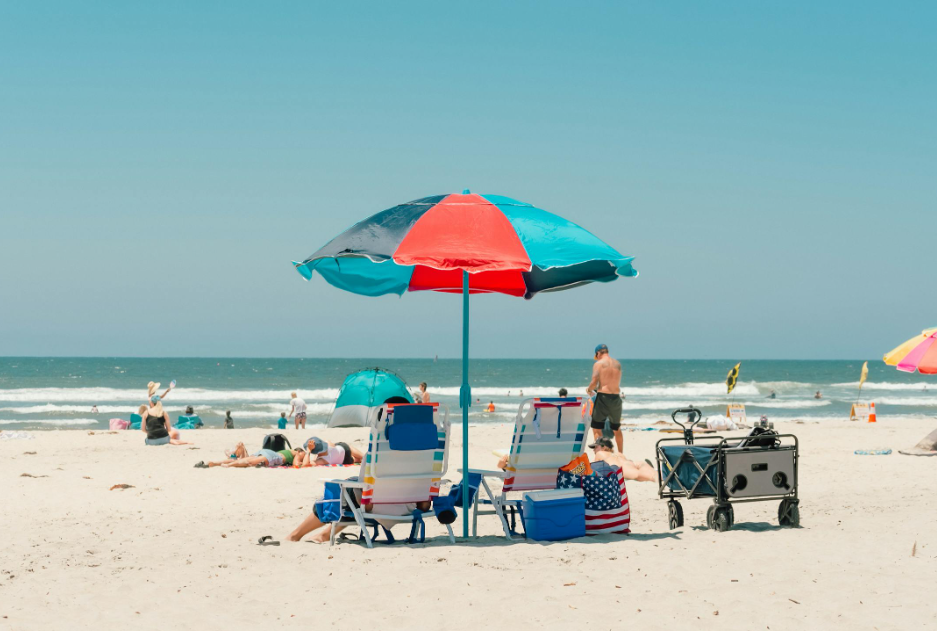
Charming Fishing Villages with Authentic Local Culture
America’s coastal fishing villages preserve traditions that big resort towns have long forgotten. Stonington, Maine operates as a working lobster port where genuine fishermen still haul traps at dawn. Walk the docks and you’ll find locals mending nets, not street performers catering to tourists. The village’s granite quarry history shows in its sturdy stone buildings, while family-owned restaurants serve lobster rolls made with that morning’s catch.
Mendocino, California perches on dramatic bluffs overlooking the Pacific, its Victorian architecture reflecting the town’s logging heritage. Local artists display work in galleries housed in century-old buildings, and the Mendocino Headlands State Park offers miles of coastal trails. The town’s isolation – no chain stores or restaurants – keeps its authentic character intact.
On the Gulf Coast, Apalachicola, Florida built its reputation on oysters, and you can still watch watermen working the bay from wooden boats passed down through generations. The historic district showcases antebellum architecture, while local establishments like the Owl Cafe have served the same families for decades. Fresh oysters come straight from the boat to your plate, often shucked by the same hands that harvested them.
Westport, Washington combines working harbor authenticity with Pacific Northwest charm. The massive fishing fleet brings in salmon, tuna, and crab, while the nearby Westport Light State Park offers excellent surfing and storm watching during winter months.
Dramatic Cliff-Side Viewpoints Perfect for Photography
America’s coastline delivers breathtaking cliff-side vantage points that showcase nature’s raw power and beauty. Point Reyes National Seashore in California offers multiple cliff-top perspectives, but the Chimney Rock Trail stands out for its panoramic views of the Pacific and seasonal elephant seal colonies below. The lighthouse perched on the cliff creates compelling foreground elements for wide-angle photography.
Oregon’s Samuel H. Boardman State Scenic Corridor stretches for 12 miles along some of the most photogenic coastline in America. Arch Rock and Natural Bridges provide dramatic geological formations, while Gold Beach viewpoints capture the interplay between rocky outcrops and sandy beaches. The constantly changing light conditions offer different moods throughout the day.
Big Sur’s McWay Falls might be famous, but nearby Julia Pfeiffer Burns State Park offers equally stunning perspectives with fewer crowds. The 80-foot waterfall plunging directly onto the beach creates a unique composition, especially during golden hour when warm light illuminates the mist.
East Coast photographers shouldn’t overlook Acadia National Park’s cliff-side viewpoints. Great Head Trail provides elevated views of Sand Beach and the surrounding granite coastline, while Otter Point offers dramatic wave action against pink granite formations. The park’s location catches both sunrise and sunset views depending on your chosen vantage point.
Unexplored Mountain Retreats for Adventure Seekers
Remote Hiking Trails with Breathtaking Summit Views
The Sawtooth Range in Idaho offers some of the most spectacular backcountry hiking in the lower 48, yet remains surprisingly uncrowded compared to popular destinations like the Grand Tetons. The Alice Lake Trail leads to crystal-clear alpine lakes surrounded by jagged granite peaks, while the longer trek to Thompson Peak rewards hikers with panoramic views across central Idaho’s wilderness. These trails require solid backcountry experience but deliver the kind of summit views that make your phone’s camera roll look like a professional landscape portfolio.
In Montana’s Cabinet Mountains, the A Peak Trail provides a challenging ascent through old-growth forests to expansive ridgeline views. The trail sees fewer than 100 hikers annually, making it perfect for those seeking genuine solitude. Vermont’s Mount Mansfield offers unexpected alpine experiences in the East, with the Long Trail providing access to rare arctic-alpine vegetation found nowhere else south of Canada.

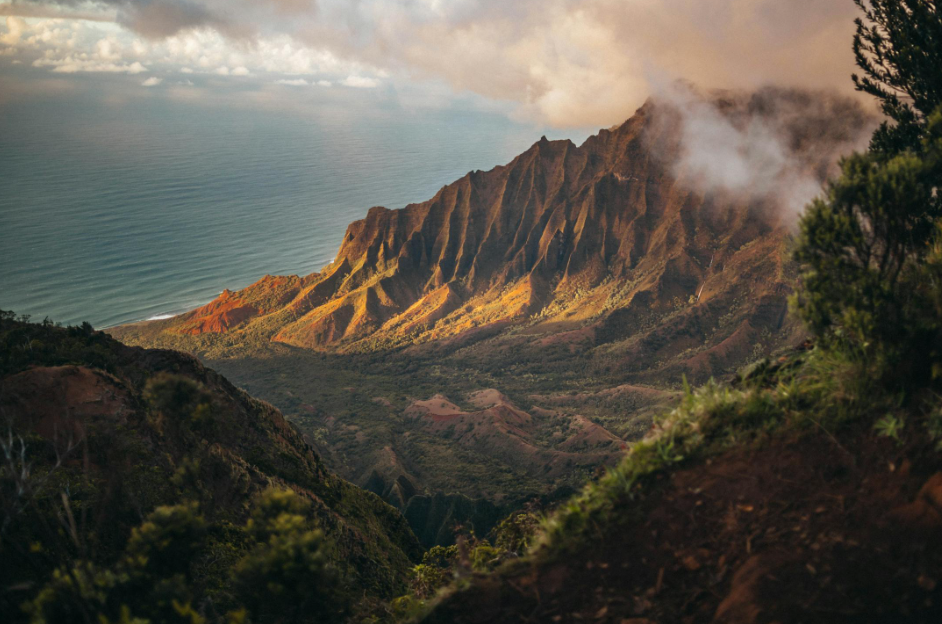
Cozy Mountain Towns with Year-Round Outdoor Activities
Joseph, Oregon sits in the shadow of the Wallowa Mountains, earning its nickname as the “Alps of Oregon.” This charming town of 1,000 residents becomes a hub for backcountry skiing in winter and world-class hiking in summer. Local outfitters offer everything from llama trekking to fly fishing on the Wallowa River, while the town’s bronze foundries showcase the area’s artistic heritage.
Marble, Colorado transforms from a quiet mountain village to an ice climbing mecca each winter. The frozen waterfalls along the Crystal River create some of North America’s most accessible ice routes. Summer brings mountain biking on high-altitude single tracks and wildflower hikes through abandoned marble quarries. The town’s historic Marble Mill provides a glimpse into Colorado’s mining heritage.
Salida, Colorado combines outdoor adventure with a thriving arts scene. The Arkansas River offers year-round fishing and rafting, while nearby 14ers provide challenging peak-bagging opportunities. Winter brings skiing at Monarch Mountain and fat biking along river trails.
Hidden Hot Springs and Natural Thermal Pools
Idaho’s Jerry Johnson Hot Springs requires a moderate 2.5-mile hike through old-growth cedar forests, leading to a series of natural pools along Warm Springs Creek. The springs maintain perfect soaking temperatures year-round, and the forest setting creates an almost mystical atmosphere, especially during winter snowfall.
Oregon’s Alvord Desert region hides Mickey Hot Springs, where boiling water bubbles up from colorful mineral deposits. The springs sit on Bureau of Land Management land, offering free access and stunning views of Steens Mountain. The remote location means you’ll often have these therapeutic waters entirely to yourself.
Colorado’s Strawberry Park Hot Springs near Steamboat Springs offers a more developed but still natural experience. Multiple pools cascade down the hillside, each maintaining different temperatures. Winter visits are particularly magical, with snow-covered rocks surrounding the steaming pools.
Wildlife Watching Opportunities in Untouched Wilderness
The North Cascades ecosystem in Washington hosts some of the largest intact wilderness areas in the continental United States. Gray wolves have naturally returned to these mountains, and lucky visitors might spot them during dawn or dusk hours. Mountain goats navigate seemingly impossible cliff faces, while black bears forage for huckleberries in high meadows.
Montana’s Bob Marshall Wilderness Complex protects over one million acres where grizzly bears, mountain lions, and wolverines roam freely. Pack trips into the wilderness offer opportunities to observe these apex predators in their natural habitat. The area’s remoteness ensures wildlife behavior remains largely uninfluenced by human presence.
Idaho’s Frank Church River of No Return Wilderness provides habitat for one of the largest elk herds in North America. Fall bugling season creates an unforgettable soundtrack as bull elk compete for mates across mountain valleys. The wilderness also supports healthy populations of bighorn sheep, often visible on rocky outcrops above river canyons.
Off-the-Beaten-Path Urban Discoveries
Rising Arts Districts with Local Galleries and Studios
Richmond, Virginia’s Scott’s Addition neighborhood has transformed from industrial warehouses into one of the most dynamic arts districts you’ve never heard of. Local artists have converted old manufacturing spaces into working studios where visitors can watch glassblowing, ceramics, and large-scale paintings come to life. The quarterly First Friday Art Walk draws crowds through galleries showcasing everything from experimental sculpture to digital installations.
Phoenix’s Roosevelt Row continues evolving beyond its reputation as a hipster hangout. The monthly Art Detour opens dozens of private studios and galleries, many tucked inside converted bungalows and former auto repair shops. Street murals stretch for blocks, creating an outdoor gallery that changes constantly as new artists leave their mark on building walls and alleyways.
Detroit’s Eastern Market district offers more than just Saturday farmers markets. The neighborhood houses artist collectives in former produce warehouses, where painters, sculptors, and textile artists maintain open studios year-round. The Murals in the Market festival has turned surrounding buildings into canvases for international street artists, creating Instagram-worthy backdrops at every corner.
These districts share authentic creative energy that major art centers often lack. Artists rent studio spaces at affordable rates, experiment freely, and engage directly with visitors curious about their process.
Historic Neighborhoods with Unique Architecture
Savannah’s Victorian District stretches beyond the famous Historic District squares most tourists explore. The neighborhood features elaborate Painted Lady houses with intricate gingerbread trim and wraparound porches that showcase different Victorian architectural styles. Walking tours here reveal stories of merchants, sea captains, and craftsmen who shaped these ornate homes during the late 1800s.
Buffalo’s Elmwood Village presents an unexpected collection of Arts and Crafts bungalows and Tudor Revival homes. The neighborhood survived urban renewal projects that demolished similar areas in other Rust Belt cities. Delaware Avenue features mansion-sized homes designed by prominent architects, including several Frank Lloyd Wright influences that architectural enthusiasts rarely discuss in guidebooks.
Santa Fe’s Eastside presents adobe architecture that predates the tourist-heavy Plaza area. Residential streets showcase traditional flat-roofed homes with thick walls, wooden vigas, and private courtyards. Many buildings date to the 1800s and maintain original construction techniques using local materials.
Charleston’s Ansonborough neighborhood contains Federal-style townhouses and Greek Revival mansions that escaped the tourist crowds flooding King Street. The area showcases Charleston single houses with side porches designed to catch harbor breezes, plus hidden gardens accessible only through wrought-iron gates.

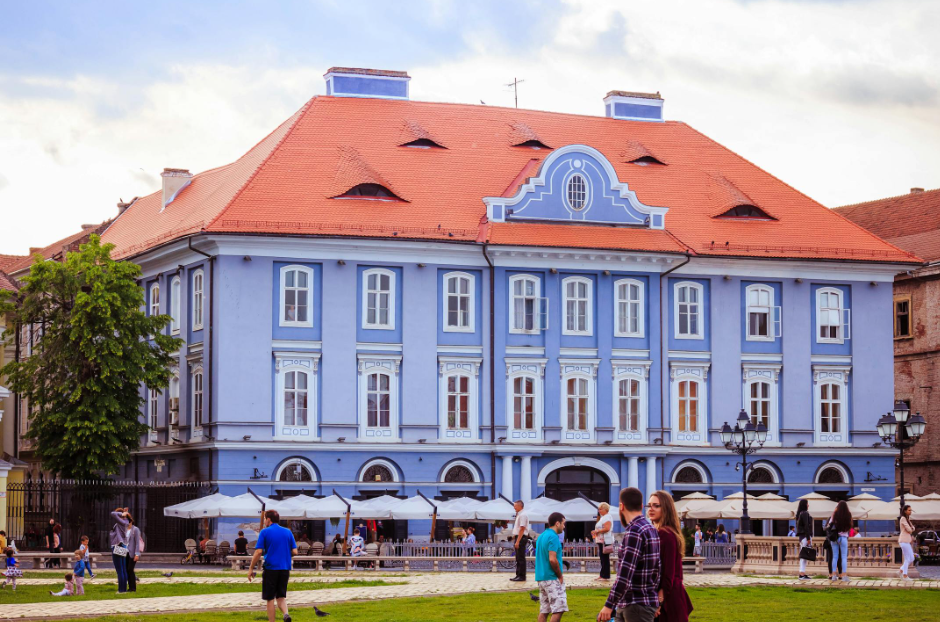
Underground Food Scenes and Hidden Speakeasies
Nashville’s music scene gets attention, but the city’s underground dining culture operates in unlikely locations. Butchertown Hall sits in an industrial area where food trucks gather for late-night collaborative dinners. Local chefs experiment with fusion concepts, often announcing pop-up events through Instagram stories rather than traditional advertising.
Portland, Maine’s East End neighborhood hosts dinner clubs in converted garages and basement spaces. Chefs create multi-course tasting menus featuring hyperlocal ingredients from Maine farms and waters. These intimate dinners accommodate maybe twenty diners maximum, creating community dining experiences that feel more like dinner parties than restaurant visits.
Kansas City’s Crossroads Arts District hides speakeasies behind unmarked doors and fake storefronts. The Campground requires walking through a coffee shop to reach the cocktail bar in back. Swordfish Tom’s operates inside a former auto garage, serving craft cocktails alongside elevated bar food until 2 AM most nights.
Milwaukee’s Bay View neighborhood features brewery taprooms in former corner stores and cocktail bars accessed through pizza shops. These spaces maintain neighborhood character while serving drinks that rival establishments in major cocktail cities. Local bartenders focus on Wisconsin spirits and seasonal ingredients rather than following national cocktail trends.
Surprising Desert Landscapes with Unique Attractions
Otherworldly Rock Formations and Geological Wonders
The American Southwest holds secrets that rival anything you’d find on another planet. Valley of the Gods in Utah stretches for miles with towering sandstone buttes that look like ancient cathedrals reaching toward the sky. Each formation tells a story millions of years in the making, carved by wind and water into shapes that defy imagination.
Antelope Canyon in Arizona remains the crown jewel of slot canyons, but lesser-known gems like Buccaneer Trail near Capitol Reef offer equally stunning experiences without the crowds. The wave-like patterns in the rock walls create natural galleries where light dances through narrow openings, painting the stone in brilliant oranges and purples.
Don’t overlook the Bisti Badlands in New Mexico, where alien-looking hoodoos and balanced rocks create a landscape so surreal it’s been featured in countless science fiction films. The area feels like walking through a sculpture garden designed by time itself, with mushroom-shaped formations and precariously balanced boulders defying gravity.

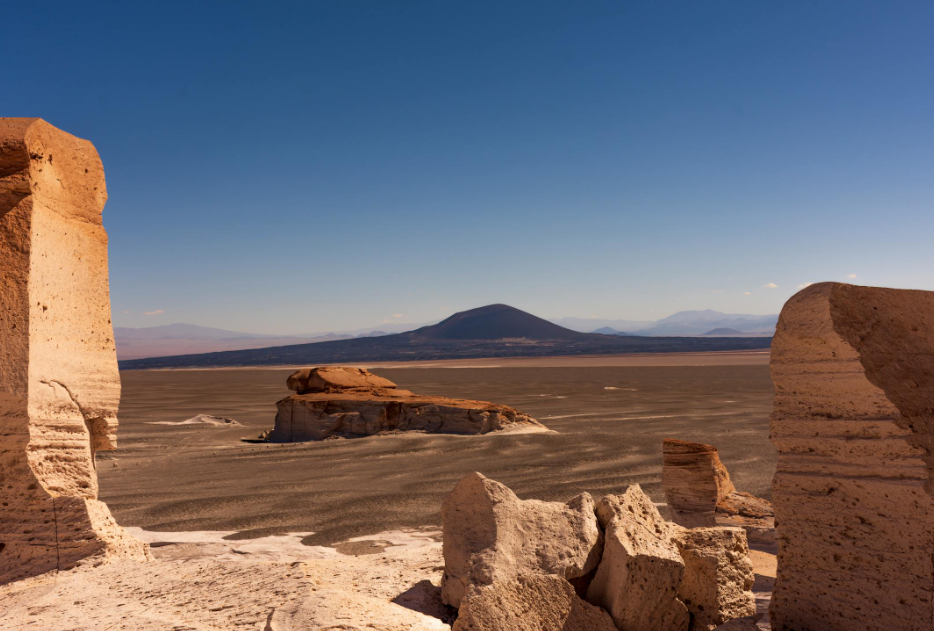
Star-Gazing Locations with Minimal Light Pollution
Desert skies offer some of the clearest views of the cosmos you’ll find anywhere in the country. Death Valley National Park holds the distinction as one of the darkest places in North America, where the Milky Way appears so bright you can read by its glow on moonless nights.
The Atacama Desert-like conditions of the Alvord Desert in Oregon provide exceptional viewing opportunities. This remote playa stretches for miles without a single light source, making it perfect for astrophotography and naked-eye observations of distant galaxies.
Big Bend National Park in Texas ranks among the top three darkest spots in the lower 48 states. The park’s Santa Elena Canyon area offers organized star parties where rangers guide visitors through constellation identification and share stories of how ancient cultures navigated by these same stars.
Consider visiting during new moon phases for optimal viewing conditions. Bring red-filtered flashlights to preserve your night vision, and pack layers since desert temperatures can drop 40 degrees after sunset.
Desert Bloom Seasons and Rare Plant Life
Desert wildflower seasons create temporary explosions of color that transform barren landscapes into living carpets. California’s Anza-Borrego Desert State Park becomes a botanical wonderland between February and May, depending on winter rainfall patterns.
The Sonoran Desert showcases some of nature’s most resilient adaptations. Saguaro cacti can live over 200 years and don’t produce their first flowers until they’re 35-40 years old. These iconic giants bloom from late April through June, creating white crowns that attract bats and birds from hundreds of miles away.
Joshua Tree National Park straddles two desert ecosystems, offering visitors a chance to see both Mojave and Colorado Desert plant communities in one location. The park’s namesake Joshua trees aren’t actually trees but the world’s largest yucca plants, growing at the impossibly slow rate of one inch per year.
Rare night-blooming cereus flowers open just once yearly for a single night, releasing intoxicating fragrances that attract sphinx moths. These “Queen of the Night” blooms can be found throughout the Southwest, but timing your visit requires local knowledge and a bit of luck.
Ancient Archaeological Sites and Petroglyphs
Desert environments naturally preserve human history in ways that humid climates cannot. Newspaper Rock in Utah displays over 650 petroglyphs spanning 2,000 years of human occupation, creating a timeline of cultural expression carved directly into desert varnish.
Canyon de Chelly National Monument protects some of the most well-preserved cliff dwellings in North America. The White House Ruins trail offers the only self-guided access into the canyon, where Ancestral Puebloan structures built between 1050-1300 CE still stand against red sandstone walls.
Petroglyph National Monument near Albuquerque contains over 24,000 images created by ancestral Pueblo peoples and Spanish colonists. The volcanic escarpment provided an ideal canvas for these ancient artists, whose symbols range from animal figures to geometric patterns whose meanings remain mysterious.
Three Rivers Petroglyph Site in New Mexico features over 21,000 glyphs scattered across 50 acres of lava rock. The site offers interpretive trails that wind among the volcanic boulders, each turn revealing new examples of how indigenous peoples used art to communicate across generations.
Forgotten Small Towns with Big Character
Vintage Main Streets with Antique Shopping
America’s forgotten small towns offer treasure hunters a goldmine of authentic vintage finds along their perfectly preserved Main Streets. Unlike crowded tourist destinations, these communities feature family-owned antique shops where you can spend hours discovering everything from mid-century furniture to Depression-era glassware without fighting crowds.
Top Small Town Antique Destinations:
- Stillwater, Minnesota – Victorian-era storefronts house multiple antique dealers specializing in Scandinavian imports
- Jefferson, Texas – Riverboat town with shops featuring Civil War memorabilia and Southern antiques
- Galena, Illinois – 85% of buildings are on the National Historic Register, creating an authentic shopping backdrop
Many of these shops operate in buildings that are antiques themselves – think converted general stores, old banks, and former train depots. Shop owners often know the history behind their pieces, turning casual browsing into storytelling sessions about the town’s past.
Local Festivals and Community Celebrations
Small towns throw festivals with genuine heart and zero corporate sponsorship. These celebrations showcase local culture, food, and traditions that have been passed down for generations. You’ll find everything from pickle festivals to scarecrow competitions, each reflecting the unique personality of its community.
Must-Experience Festival Types:
- Harvest Festivals – Apple butter making, corn mazes, and locally-grown produce competitions
- Historical Reenactments – Civil War battles, frontier days, and Native American heritage celebrations
- Quirky Themed Events – UFO festivals, Bigfoot gatherings, and unusual food celebrations
The magic happens when entire communities come together. Local high school bands perform, volunteer fire departments run food booths, and three generations of families work the same festival booth year after year. These aren’t Instagram-perfect events – they’re real gatherings where visitors become temporary community members.
Historic Inns and Bed-and-Breakfast Experiences
Staying in small-town historic accommodations means sleeping in buildings with genuine stories. Many bed-and-breakfasts occupy former mansions of lumber barons, railroad tycoons, or prominent local families. Your room might feature original hardwood floors, period furnishings, and windows that have watched decades of Main Street life unfold.
What Makes These Stays Special:
- Personal Service – Innkeepers often live on-site and serve as informal town historians
- Authentic Period Details – Four-poster beds, clawfoot tubs, and original architectural features
- Local Connections – Hosts recommend hidden restaurants, hiking trails, and community events
Notable Historic Inn Types:
| Inn Style | Features | Best For |
|---|---|---|
| Victorian Mansion | Ornate woodwork, tower rooms | Romance, architecture lovers |
| Railroad Hotel | Station proximity, train memorabilia | History buffs, unique experiences |
| River Town Inn | Waterfront views, period steamboat decor | Peaceful retreats, nature access |
These accommodations often include homemade breakfasts featuring local ingredients and family recipes. Don’t expect room service or concierge desks – expect genuine conversations over coffee and insider tips about the best local swimming hole or where to find the town’s famous pie.

Emerging Foodie Destinations for Culinary Enthusiasts
Farm-to-Table Restaurants in Unexpected Locations
Vermont’s Northeast Kingdom serves up some of the most authentic farm-to-table experiences you’ll find anywhere. Restaurants like Hill Farmstead Brewery’s farm dinners showcase hyper-local ingredients sourced within walking distance of your plate. The region’s short growing season means chefs get creative with preservation techniques, creating dishes that highlight the essence of summer vegetables even in winter months.
South Dakota’s Black Hills region surprises visitors with sophisticated dining scenes in tiny towns like Hill City and Keystone. Local restaurants partner directly with nearby ranches and organic farms, creating menus that change weekly based on what’s available. The Prairie Berry Winery restaurant exemplifies this approach, featuring buffalo, elk, and locally foraged ingredients alongside their award-winning wines.
Eastern Oregon’s Wallowa Valley offers farm dinners where you can meet the farmers who grew your food earlier that afternoon. The area’s isolation has preserved traditional farming methods, and restaurants like Terminal Gravity Brewing showcase heritage grains and heirloom vegetables that have been grown in the valley for generations.
Local Wineries and Craft Breweries Off the Tourist Trail
Michigan’s Leelanau Peninsula produces world-class Rieslings and Pinot Noirs that rival those from more famous regions. The peninsula’s unique microclimate, influenced by Lake Michigan, creates ideal growing conditions for cold-climate varietals. Small family wineries like Bel Lago offer intimate tastings where winemakers personally pour their creations and share stories about their craft.
New Mexico’s high desert wine country around Albuquerque and Santa Fe produces exceptional wines at elevations exceeding 4,000 feet. The dramatic temperature swings between day and night create complex flavor profiles in varieties like Tempranillo and Syrah. Vivac Winery and Casa Rondena showcase the state’s winemaking potential while offering stunning desert mountain views.
Virginia’s Shenandoah Valley houses over 30 wineries, yet most tourists head straight to Napa Valley instead. The region’s limestone-rich soil produces exceptional Viognier and Cabernet Franc. Breweries like Starr Hill and Wild Wolf complement the wine scene with innovative craft beers using local ingredients like Virginia peanuts and Shenandoah Valley hops.
Regional Specialties and Unique Food Traditions
Kentucky’s Appalachian region preserves centuries-old food traditions that extend far beyond bourbon and fried chicken. Mountain communities still practice traditional preservation methods like leather britches beans (dried green beans) and stack cake, a multi-layered dessert made with apple butter. Local restaurants in towns like Berea showcase these heritage recipes alongside modern interpretations.
Louisiana’s Creole and Cajun traditions extend beyond New Orleans into smaller communities along the bayous. Places like Breaux Bridge and Henderson offer authentic crawfish étouffee, boudin, and fresh alligator prepared by families who’ve perfected these recipes across generations. The annual Crawfish Festival in Breaux Bridge demonstrates how deeply food culture runs in these communities.
Alaska’s indigenous food traditions are experiencing a renaissance as native chefs reclaim their culinary heritage. Restaurants in Anchorage and Fairbanks now feature traditional ingredients like wild salmon, reindeer, and foraged berries prepared using both ancient and contemporary techniques. The combination creates unique flavor profiles you won’t experience anywhere else in the world.
Cooking Classes with Local Chefs and Artisans
Hawaii’s Big Island offers hands-on cooking classes that go beyond typical tourist experiences. Local chefs teach traditional Hawaiian techniques like imu (underground oven) cooking and poi making using native taro varieties. These classes often include foraging excursions where participants learn to identify and harvest native plants still used in traditional Hawaiian cuisine.
Tennessee’s Nashville area provides cooking classes focused on authentic Southern cuisine, not the commercialized versions found in chain restaurants. Local chefs teach proper techniques for smoking meats, making genuine cornbread from stone-ground meal, and preparing traditional sides like soup beans and greens. These classes often take place on working farms where participants can harvest ingredients they’ll later cook.
California’s Central Valley, often overshadowed by coastal cities, offers intensive cooking classes centered around the region’s incredible agricultural diversity. Participants learn to work with just-harvested produce from local farms, mastering techniques for preparing everything from stone fruits to leafy greens. Many classes include visits to family farms where participants can see how their ingredients are grown and harvested.
Natural Wonders Flying Under the Radar
Lesser-Known National and State Parks
America’s park system holds countless treasures beyond Yellowstone and Yosemite. Black Canyon of the Gunnison National Park in Colorado showcases some of the darkest, most dramatic cliff faces you’ll find anywhere. The sheer walls plunge over 2,700 feet, creating an almost otherworldly landscape that photographers dream about. Great Sand Dunes National Park offers something completely different – massive sand dunes reaching 750 feet high against the backdrop of snow-capped mountains.
State parks often deliver even more intimate experiences. Goblin Valley State Park in Utah features thousands of mushroom-shaped rock formations that look like they belong on Mars. Kids love running through the maze-like “goblins” while adults marvel at the geological artistry. Oregon’s Smith Rock State Park draws rock climbers from around the world, but casual hikers can explore the colorful volcanic formations without any technical skills.
| Park Name | Location | Best Feature | Crowd Level |
|---|---|---|---|
| Black Canyon of Gunnison | Colorado | Dramatic cliff views | Low |
| Great Sand Dunes | Colorado | Massive sand dunes | Moderate |
| Goblin Valley | Utah | Rock formations | Low |
| Smith Rock | Oregon | Volcanic spires | Moderate |
Spectacular Waterfalls Away from Crowded Tourist Spots
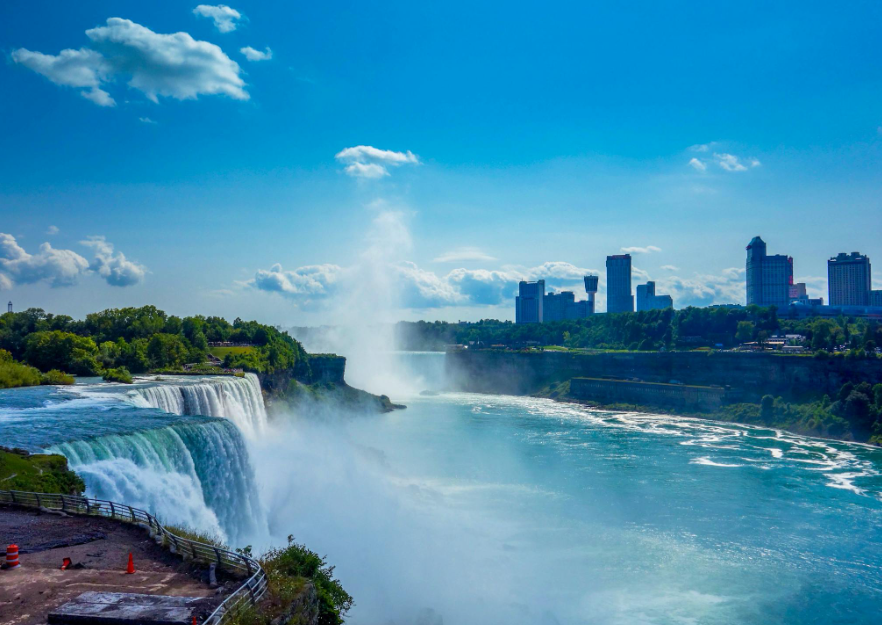
Skip Niagara Falls and head to places where you can actually hear yourself think. Havasu Falls in Arizona requires a challenging hike through the desert, but the payoff is incredible – turquoise pools surrounded by red canyon walls. The mineral-rich water creates those stunning blue-green colors that look almost artificial in photos.
Washington state hides dozens of spectacular cascades beyond the famous Snoqualmie Falls. Sol Duc Falls features three separate streams tumbling over a moss-covered bridge, creating a fairy-tale scene that’s perfect for photography. The Olympic Peninsula also offers Marymere Falls, where you can walk behind the 90-foot cascade during certain times of year.
Minnesota’s North Shore along Lake Superior contains over 60 waterfalls, most completely unknown to tourists. Gooseberry Falls State Park gets some visitors, but venture further to find gems like Temperance River Falls, where the water has carved smooth, sculpted channels through volcanic rock. These falls freeze into stunning ice formations during winter, creating an entirely different experience.

Unique Cave Systems and Underground Adventures
America’s underground world offers adventures that most travelers never consider. Mammoth Cave in Kentucky holds the world’s longest known cave system, with over 400 miles mapped so far. The tours range from easy walks to challenging crawls through tight passages where you’ll need headlamps and knee pads.
Carlsbad Caverns gets attention, but New Mexico’s other caves remain largely undiscovered. Lechuguilla Cave, though not open for regular tours, represents one of the deepest limestone caves in the US. For accessible adventures, try the caves at Kartchner Caverns State Park in Arizona, where living formations continue growing and the guided tours reveal chambers filled with delicate soda straws and massive columns.
Missouri deserves recognition as a serious caving destination. The state contains over 7,300 known caves, including Meramec Caverns where Jesse James allegedly hid from authorities. Many Missouri caves offer boat tours through underground rivers, letting you glide silently past formations that took millions of years to create. The consistent 60-degree temperatures make cave exploration comfortable year-round, regardless of surface weather conditions.
Accessible Island Getaways Within US Borders
Ferry-Accessible Islands with Rich History
Block Island in Rhode Island stands out as a time capsule of American maritime heritage, where Victorian-era hotels still welcome guests and historic lighthouses guide vessels through treacherous waters. The island’s Southeast Light, built in 1873, offers breathtaking views while telling stories of shipwrecks and rescue missions that shaped local culture.
Mackinac Island in Michigan presents living history through its car-free streets and horse-drawn carriages. Fort Mackinac, dating back to 1780, provides interactive demonstrations of military life during the War of 1812. The Grand Hotel, with its 660-foot porch, has hosted presidents and celebrities since 1887, maintaining traditions that transport visitors to America’s Gilded Age.
Washington Island in Wisconsin preserves Scandinavian heritage through its museums and cultural sites. The Stavkirke, a replica of a 12th-century Norwegian church, showcases intricate woodwork and religious artifacts. Local families have maintained fishing traditions for generations, sharing stories of early settlers who braved Lake Michigan’s storms.
Angel Island in California serves as the “Ellis Island of the West,” where Chinese immigrants carved poems into detention barracks walls. These preserved writings tell powerful stories of hope and hardship, offering visitors a profound connection to America’s immigration history.
Island Wildlife Sanctuaries and Nature Preserves
Channel Islands National Park, California’s “Galapagos,” protects endemic species found nowhere else on Earth. Island foxes, once near extinction, now thrive alongside massive elephant seals that gather in thunderous colonies. Snorkeling in kelp forests reveals a underwater world where sea lions playfully interact with visitors.
Assateague Island, spanning Maryland and Virginia, offers wild horse encounters that feel almost mythical. These feral ponies roam pristine beaches while over 320 bird species migrate through protected marshlands. The island’s unique ecosystem supports everything from tiny piping plovers to majestic peregrine falcons.
Cumberland Island in Georgia combines wildlife viewing with historical intrigue. Wild horses graze among ruins of Carnegie family mansions while loggerhead sea turtles nest on secluded beaches. Armadillos waddle through maritime forests where painted buntings flash brilliant colors among ancient live oaks draped in Spanish moss.
Catalina Island’s interior remains largely undeveloped, protecting native plant communities and the endemic Catalina Island fox. Buffalo herds, descendants of animals brought for 1920s movie productions, now roam freely across island hills. The Catalina Island Conservancy maintains 88% of the island as protected wilderness.
Secluded Island Beaches Perfect for Relaxation
Fire Island’s pristine shores stretch for 32 miles without a single car in sight. Soft sand dunes provide natural windbreaks while gentle waves create perfect conditions for peaceful swimming. Lighthouse Beach offers solitude with stunning sunset views, while sailors’ haven at Davis Park provides calm bay waters ideal for paddleboarding.
Kiawah Island in South Carolina boasts 10 miles of unspoiled Atlantic coastline where dolphins frequently surf alongside beachgoers. Morning walks reveal pristine sand unmarked by crowds, perfect for collecting unique shells and sea glass. The island’s commitment to conservation means beaches remain wild and beautiful.
Sanibel Island’s east-west orientation creates exceptional shelling opportunities as Gulf currents deposit treasures from across the Caribbean. Early morning beachcombers discover rare shells like lion’s paws and angel wings while great blue herons hunt in shallow waters. The island’s strict building codes maintain a peaceful, low-key atmosphere.
Martha’s Vineyard’s Gay Head Cliffs provide dramatic backdrops for beach relaxation. These colorful clay formations rise 150 feet above pristine sands where visitors find perfect spots for reading and meditation. South Beach offers miles of protected shoreline where seals often bask just offshore.
Local Island Culture and Traditional Crafts
Nantucket’s whaling heritage lives on through intricate scrimshaw art and traditional basket weaving. Local artisans demonstrate lightship basket construction, a craft perfected by sailors during long voyages. The island’s cobblestone streets echo with stories of sea captains’ wives who created beautiful quilts while waiting for their husbands’ return.
Key West celebrates its unique Conch Republic culture through art, music, and cuisine that blend Caribbean and Southern influences. Local artisans craft jewelry from shells and sea glass while maintaining traditions like conch fritter recipes passed down through generations. Sunset celebrations at Mallory Square showcase fire eaters, musicians, and storytellers who embody the island’s free-spirited nature.
Shelter Island’s agricultural traditions include sustainable farming practices and artisanal food production. Local vineyards produce award-winning wines while family farms grow heirloom vegetables using methods perfected over centuries. The island’s quilting circles maintain needlework traditions while pottery studios offer hands-on experiences with local clay.
Put-in-Bay on South Bass Island preserves Lake Erie’s maritime culture through boat building workshops and traditional fishing techniques. Local craftspeople create beautiful driftwood sculptures while maintaining the island’s reputation for hospitality that dates back to 19th-century resort days.

Your next great adventure might be hiding in plain sight. These ten destinations prove that America still holds plenty of secrets waiting to be discovered. From secluded coastal spots that rival the famous beaches to mountain hideaways where crowds haven’t found their way yet, each location offers something genuinely special without the typical tourist chaos.
The real magic happens when you step away from the guidebook favorites and explore places that locals have been keeping to themselves. These emerging destinations give you the chance to experience authentic American culture, incredible food scenes, and stunning landscapes before everyone else catches on. Pack your bags and get ready to be that friend who always knows about the coolest spots first – your 2026 travel stories are going to be absolutely unforgettable.